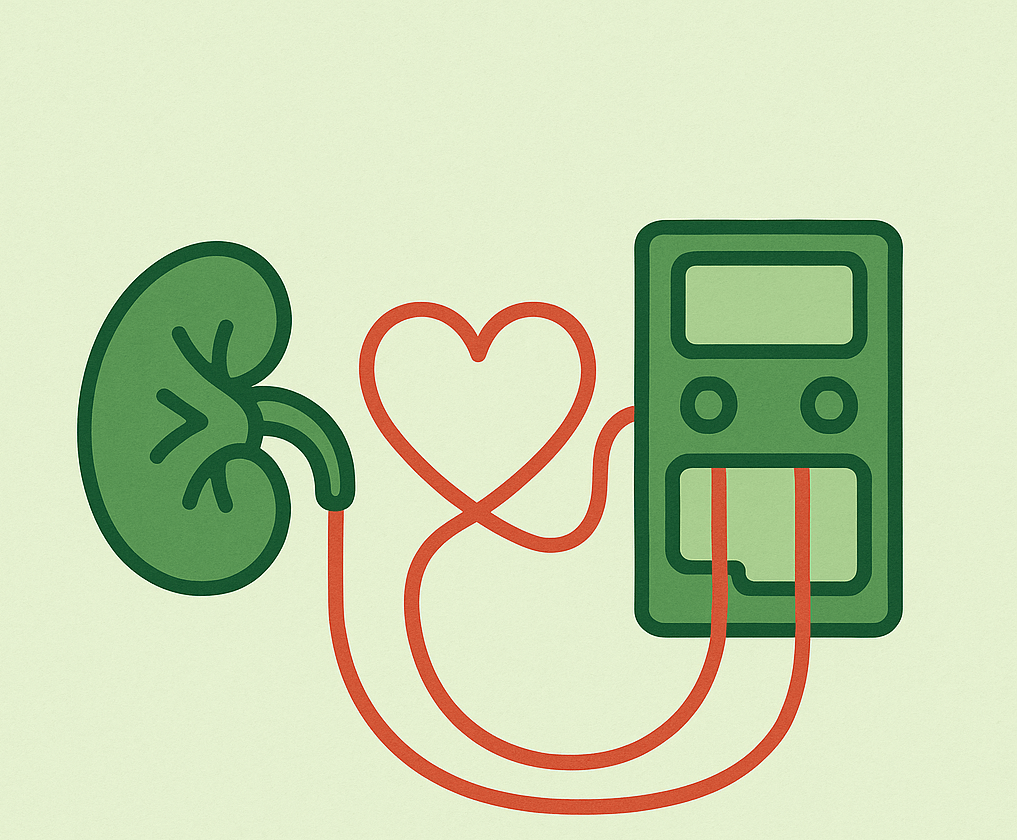

What even is dialysis? Why does Mark need it?
Mark was 4 when he was diagnosed with Type 1 Diabetes. Blood vessels can become damaged over time when excess glucose is in the blood stream, like the millions of capillaries in the kidneys. As the capillaries become damaged, they are no longer able to remove toxins and fluid from the blood stream.
When the kidneys stop working properly, dialysis is a way to help the body stay healthy.
Shortly after we got married, Mark’s nephrologist told us Mark’s kidneys were starting to fail. He gave us some tips for how to try to slow down the process, but the start of the damage was done. It wasn’t a question of if, but when.
Mark was only 32 when he found out he was in End Stage Renal Failure(ESRD).
Dialysis in not a cure for kidney failure. It is just a temporary solution to enable someone in kidney failure to live longer. Its a lifeline of sorts, keeping people as healthy as possible while waiting for a transplant, or when a transplant may not be an option for someone.

How Does it Work?

There are two different types of dialysis:
Hemodialysis & Peritoneal Dialysis(PD)
Hemodialysis:
- Uses a machine and filter to clean the blood outside the body
- Filters ENTIRE blood volume(about 5 liters) every 15 minutes
- Treatment is usually in a center in 4-8 hour sessions, 3 days per week
- Long-term dialysis patients are at increased risk for cardiovascular issues, bone density loss, etc.
Peritoneal Dialysis
- Patient lives with a catheter surgically placed in the abdomen for treatment
- Dialysate fluid is transferred to the abdomen through the catheter
- The dialysate stays in the abdomen for a prescribed amount of time
- Fluid absorbs toxins, drains from the abdomen, and more dialysate is infused 5 or more times in one treatment cycle
- Patient keeps from 300-2000 mls of dialysate in abdomen during the day
To be clear…
None of the treatment options offer much in the way of true quality of life.
- •No matter whether you choose to do treatment at a center or home, the patient is tethered to a machine for some portion of their life.
- •The treatment seems to literally suck the life out of the patient.
- •While performing a life saving treatment, dialysis also takes an immense toll on a persons body, heart, energy level, and mental health.
- •Most patients, like Mark at the time, receive dialysis no less than 3 times per week.
- •Home patients do a slightly less impactful version of this treatment, but they usually have to complete treatment 7 days a week, as Mark does now.
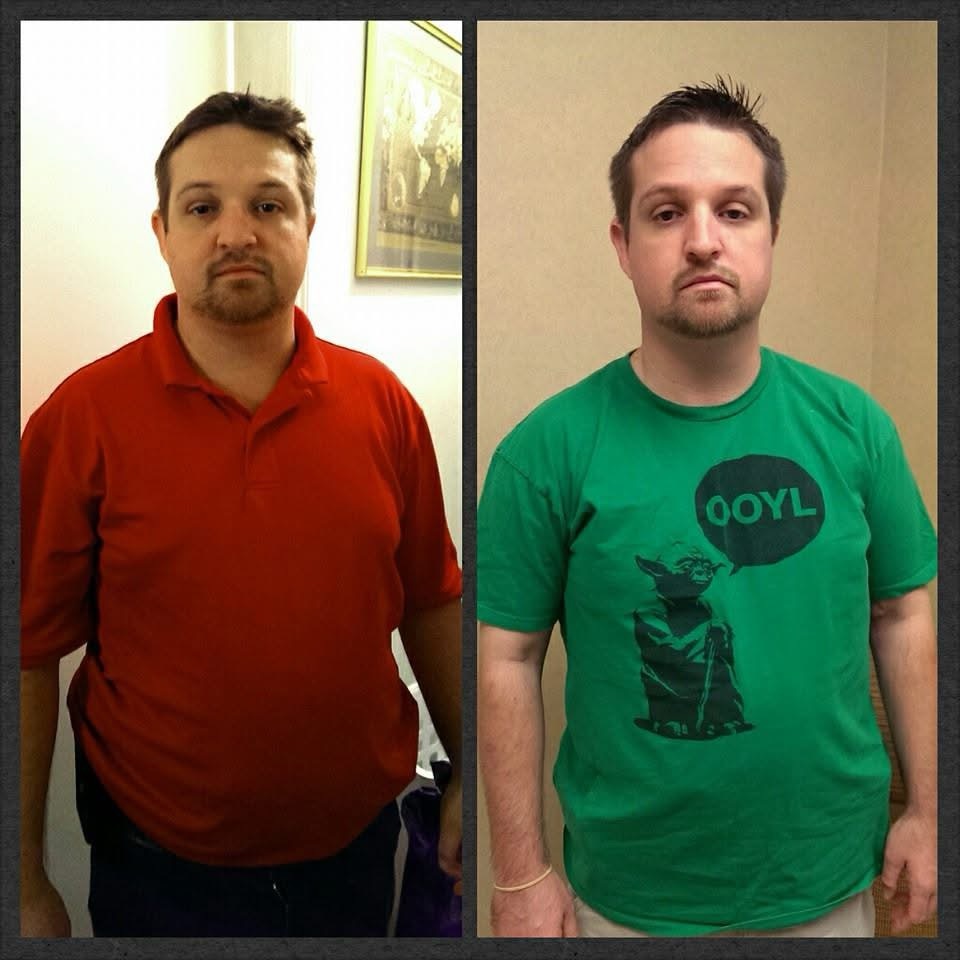
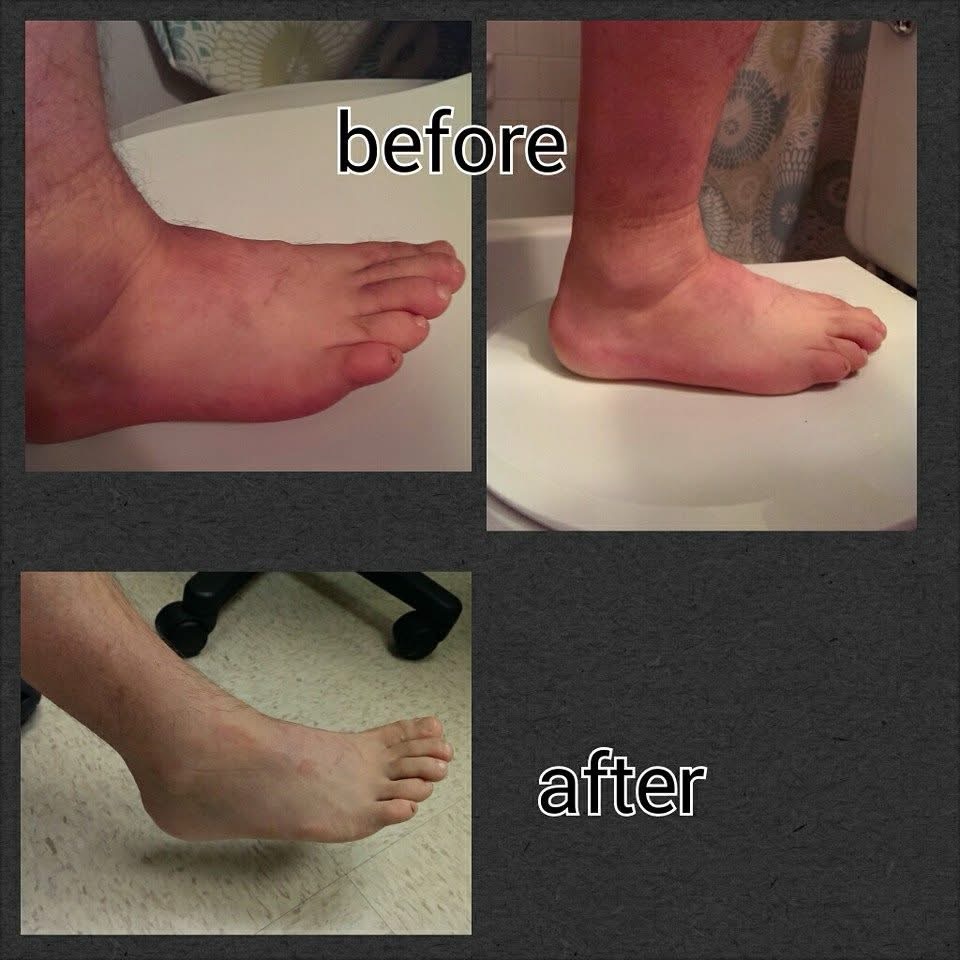
Mark’s body would gain and lose between 5-15 pounds every other day for in center hemodialysis, while waiting for a transplant. He did this and remained working full time throughout.
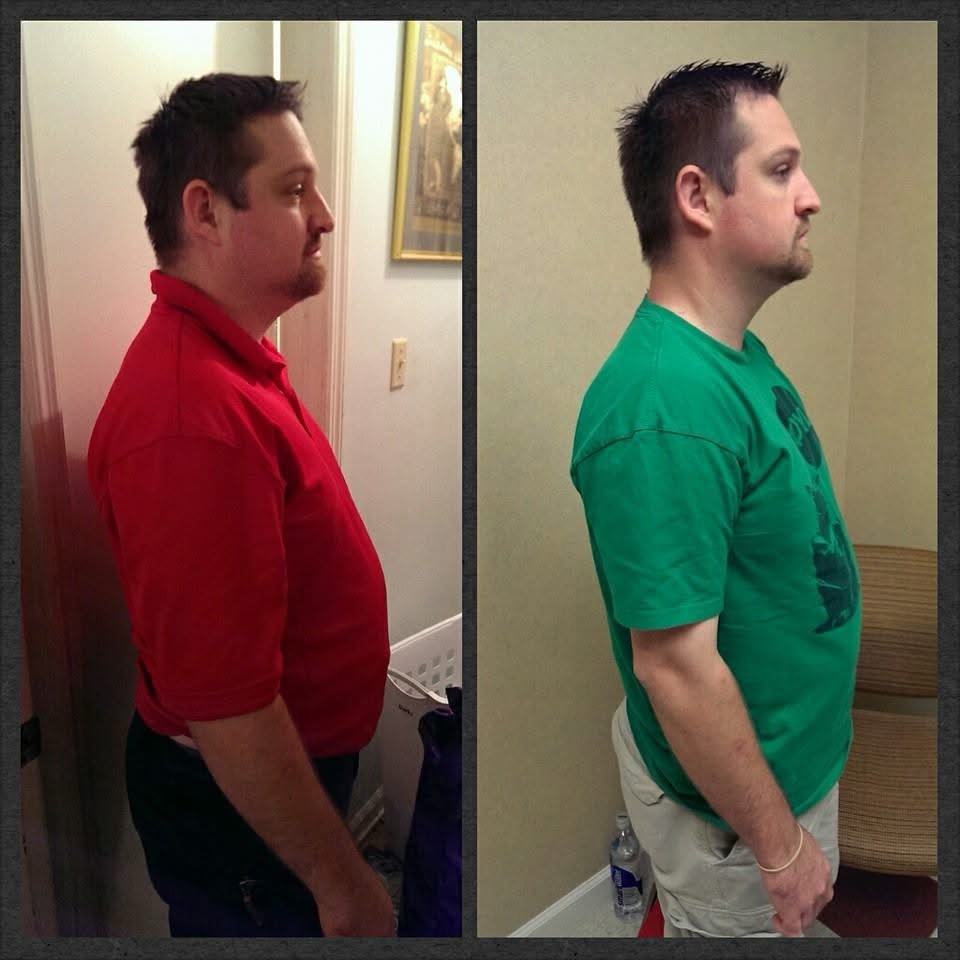
The images on the left are before dialysis.
The images on the right are after.
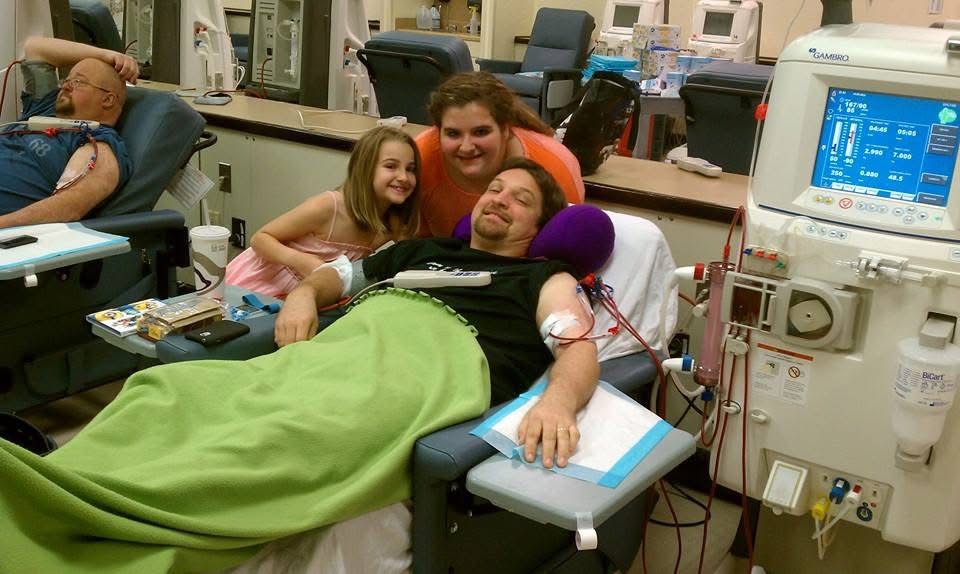
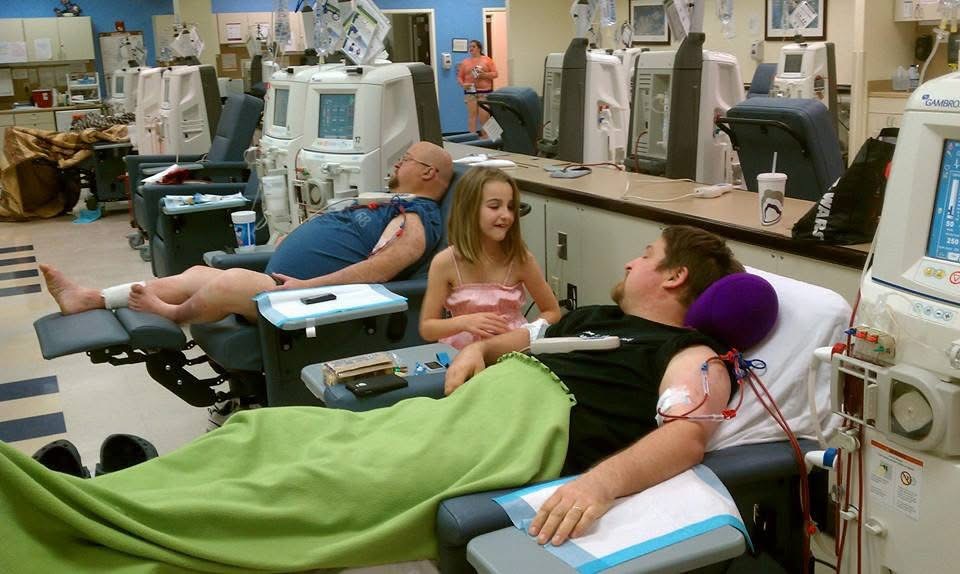
When Mark was in dialysis the first time we were allowed to visit him while he was connected to the machine. There were strict rules to follow, but we could be with him. We were able to encourage and support him, we might take him snacks, or the girls sometimes just wanted to go tell him goodnight before they went to bed. The center even occasionally held a family movie night.
We tried to keep life as normal as possible, to make life on dialysis feel ok and normal for our girls. By taking them to see him they still experienced life with their dad, we were able to remove some of the mystery of what he was experiencing when he was away, and they learned what life looks like navigating hard things as a family.
Navigating life waiting for Mark’s transplant was one of the hardest things we have ever done, and I am proud of how we survived that season as a family.

TLDR:
•Mark’s native kidneys failed
•He started dialysis
•Dialysis sucks
•We survived
 Mark's Fourth Kidney
Leave a comment